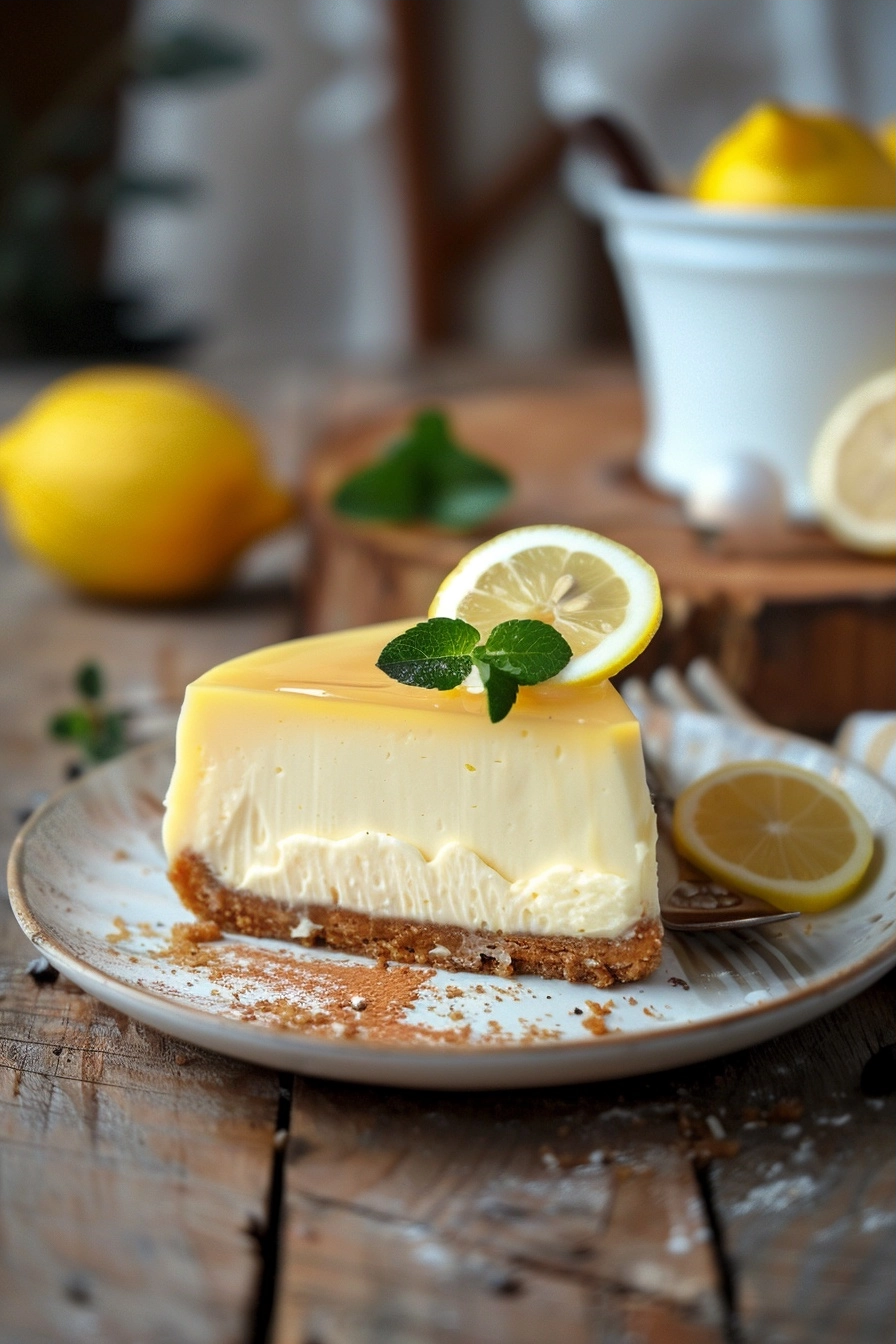
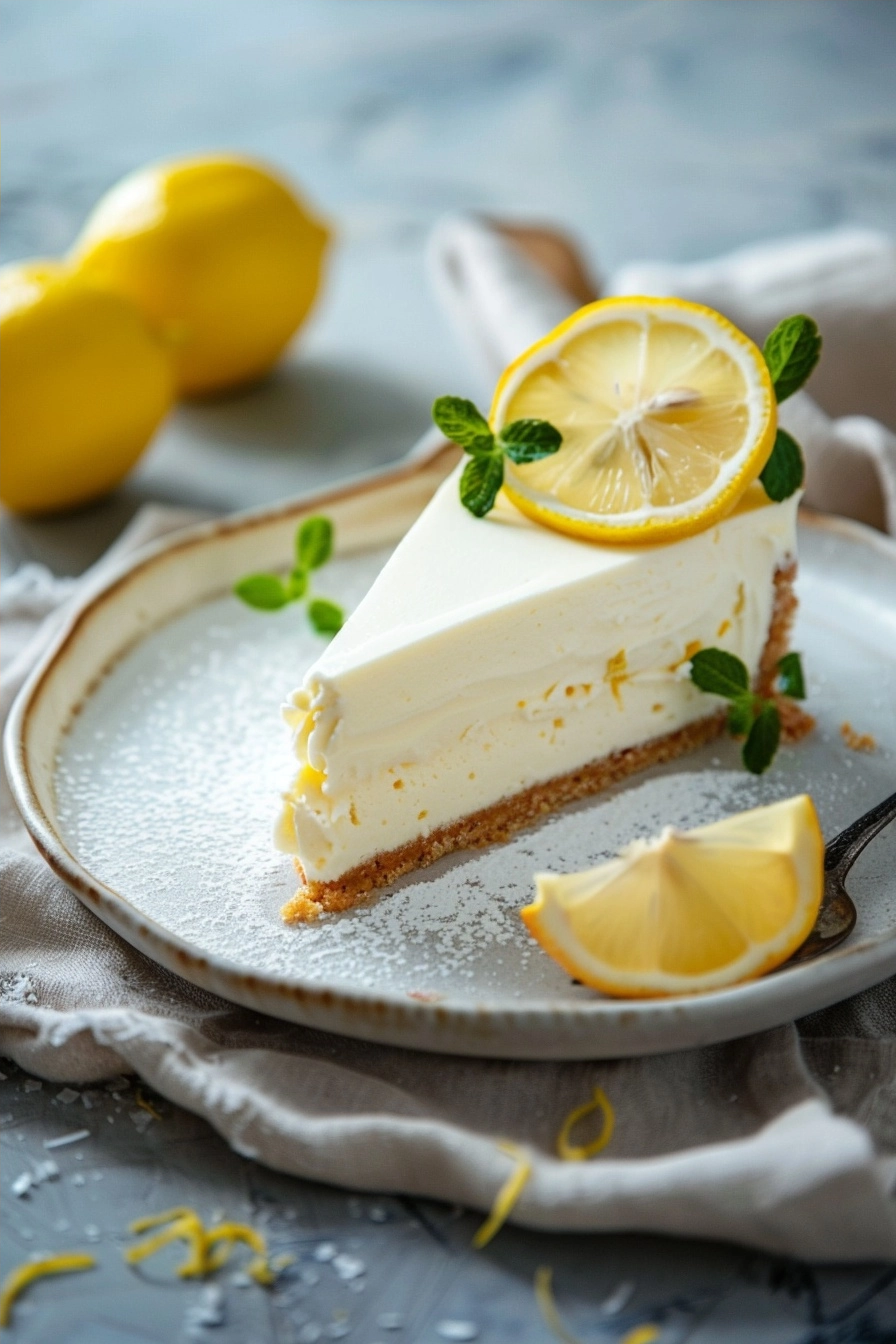
This Lemon Cheesecake creation offers a bright, tangy twist on the classic dessert. Its creamy, smooth texture combined with the vibrant citrus notes makes it an incredibly refreshing treat. The simple graham cracker crust provides the perfect crunchy contrast to the luscious filling.
Why This Recipe Works
I discovered this Lemon Cheesecake recipe during a summer gathering, seeking a lighter, more invigorating dessert option. The balance of sweet creaminess and sharp lemon was exactly what I was looking for. It’s remarkably easy to prepare, requiring just a few steps and common ingredients, making it accessible for bakers of all skill levels.
The secret to its success lies in the quality of the cream cheese and the precise addition of lemon juice and zest. Overmixing the filling can introduce too much air, leading to cracks. Gradual cooling is also paramount for a flawless finish. This recipe consistently delivers a beautifully smooth, perfectly set cheesecake that impresses every time.
Ingredients
| Ingredient | Quantity | Notes |
|---|---|---|
| Graham Cracker Crumbs | 1.5 cups | Ensure they are finely ground for a cohesive crust. Use digestive biscuits as an alternative. |
| Granulated Sugar (for crust) | 1/4 cup | Standard white sugar works best. |
| Unsalted Butter, melted | 6 tablespoons | Use high-quality butter for optimal flavor. |
| Cream Cheese, softened | 24 ounces | Full-fat, brick-style cream cheese is essential. Let it soften completely at room temperature. |
| Granulated Sugar (for filling) | 3/4 cup | Adjust slightly based on desired sweetness. Brown sugar or a sugar substitute can be used experimentally. |
| Large Eggs | 3 | Room temperature eggs incorporate more easily. |
| Vanilla Extract | 1 teaspoon | Pure vanilla extract provides the best flavor. |
| Fresh Lemon Juice | 1/4 cup | From about 2-3 fresh lemons. Bottled juice is an acceptable substitute in a pinch. |
| Lemon Zest | 1 tablespoon | Zest from 1-2 lemons. Adds intense lemon fragrance. |
Step-by-Step Instructions
- Preheat oven to 350°F (175°C).
- Combine graham cracker crumbs, 1/4 cup granulated sugar, and melted butter in a medium bowl until well combined.
- Press the crumb mixture firmly and evenly into the bottom of a 9-inch springform pan using the base of a glass or your fingers.
- Bake the crust for 8-10 minutes until it is lightly golden brown and fragrant.
- Remove the pan from the oven and allow the crust to cool completely on a wire rack before adding the filling.
- In a large mixing bowl, beat the softened cream cheese with an electric mixer on medium speed until it is completely smooth and free of lumps.
- Gradually add 3/4 cup granulated sugar to the cream cheese, beating continuously until the mixture is light, airy, and creamy.
- Add the eggs one at a time, beating on low speed just until each egg is incorporated. Avoid overmixing at this stage.
- Stir in the vanilla extract, fresh lemon juice, and lemon zest until just combined, ensuring the zest is evenly distributed throughout the filling.
- Pour the prepared lemon cheesecake filling evenly over the cooled graham cracker crust in the springform pan.
- Bake in the preheated oven for 50-60 minutes. The edges of the cheesecake should be set and slightly puffed, while the center should still have a slight jiggle.
- Turn off the oven completely. Prop the oven door open slightly with a wooden spoon and let the cheesecake cool inside the oven for 1 hour.
- Remove the cheesecake from the oven and place it on a wire rack to cool completely at room temperature.
- Once fully cooled, carefully cover the cheesecake loosely with plastic wrap. Refrigerate for at least 4 hours, or preferably overnight, to allow it to set thoroughly.
The Foundation: Crust Preparation
Crafting the Creamy Filling
The Bake and Cool Down
Chef Tips for Perfect Results
- Room Temperature Ingredients: Ensure cream cheese and eggs are at room temperature. This allows them to combine smoothly, preventing lumps and ensuring an even texture.
- Gentle Mixing: Avoid overmixing the batter, especially after adding eggs. Excessive mixing incorporates air, which can cause the cheesecake to crack during baking and cooling.
- Water Bath (Optional but Recommended): For an exceptionally smooth and crack-free cheesecake, bake it in a water bath. Wrap the springform pan tightly in foil, place it in a larger pan, and add hot water halfway up the sides of the springform pan before baking.
- Slow Cooling is Key: The gradual cooling process in a turned-off oven is critical. This prevents drastic temperature changes that shock the cheesecake and lead to cracks or a sunken center.
- Achieve Perfect Zest: Use a microplane grater for finely shredded lemon zest. This releases maximum flavor and aroma without grating into the bitter white pith.
Common Mistakes to Avoid
- Overmixing the Batter: This incorporates too much air, leading to expansion and subsequent cracking as it cools. Mix only until ingredients are just combined, especially after adding eggs.
- Opening the Oven Door Too Often: Frequent peeking disrupts the consistent temperature required for baking, causing uneven cooking and potential collapse. Resist the urge to check too frequently.
- Cooling Too Quickly: Sudden temperature changes shock the delicate structure of the cheesecake. The slow cooling process in the oven prevents this shock and minimizes cracking.
- Using Cold Ingredients: Cold cream cheese and eggs do not blend smoothly, resulting in a lumpy filling and a less desirable texture. Always ensure they are at room temperature.
- Underbaking or Overbaking: An underbaked cheesecake will be too soft and unstable. An overbaked cheesecake will be dry and prone to cracking. The center should have a slight wobble.
Variations and Substitutions
| Ingredient | Substitution | Impact on Flavor |
|---|---|---|
| Graham Cracker Crust | Shortbread cookie crumbs, digestive biscuits, or vanilla wafers | Slightly sweeter, richer, or more vanilla notes depending on the cookie used. |
| Fresh Lemon Juice | Lime juice or orange juice | Changes the primary citrus flavor profile to lime’s tanginess or orange’s sweetness. |
| Cream Cheese | Mascarpone cheese (use a mix for stability) | Adds a richer, more decadent, and slightly sweeter dairy flavor. Consider using 50% mascarpone and 50% cream cheese. |
| Granulated Sugar | Honey or maple syrup (adjust quantity as liquids) | Introduces nuanced sweetness and a slight caramel or floral undertone. May affect texture slightly. |
Serving Suggestions and Pairings
This exquisite Lemon Cheesecake is perfect for a variety of occasions. Serve it as a sophisticated dessert after a formal dinner party or as a refreshing treat during a casual summer picnic. It pairs wonderfully with fresh berries like raspberries or blueberries, or a simple dollop of lightly sweetened whipped cream. For a beverage pairing, consider iced tea or a crisp, non-alcoholic sparkling cider. Consider it for Easter celebrations or a bright Mother’s Day brunch.
Storage and Reheating
| Method | Duration | Instructions |
|---|---|---|
| Refrigeration | 3-5 days | Cover the cheesecake tightly with plastic wrap or foil. Store in the refrigerator. Ensure it is well-chilled before serving for best consistency. |
| Freezing (Whole or Slices) | Up to 1 month | Thoroughly chill the cheesecake. Before slicing, unwrap and place on a baking sheet in the freezer until firm. Wrap tightly in plastic wrap, then in aluminum foil. Thaw overnight in the refrigerator. Best consumed within 1 month for optimal quality. |
Nutritional Information
| Nutrient | Amount per Serving |
|---|---|
| Calories | Approximate values: 400 kcal |
| Protein | Approximate values: 6g |
| Fat | Approximate values: 25g |
| Carbohydrates | Approximate values: 38g |
| Fiber | Approximate values: 1g |
| Sugar | Approximate values: 28g |
| Sodium | Approximate values: 250mg |
Frequently Asked Questions
Can I substitute the lemon juice?
Yes, you can substitute lime juice for a similar tang, or orange juice for a sweeter citrus profile. Adjust the quantity as needed. Using a combination of juices can offer unique flavor layers.
How do I know when lemon cheesecake is done baking?
The cheesecake is done when the edges are set and lightly golden, but the center still has a slight wobble. It should not look completely liquid. The residual heat will continue to cook it as it cools.
Why did my cheesecake crack?
Cracking often occurs due to overmixing, rapid cooling, or overbaking. Ensure all ingredients are at room temperature and mix gently. Gradual cooling is crucial for preventing such issues.
Can I make lemon cheesecake ahead of time?
Absolutely. Lemon cheesecake needs to chill for at least 4 hours, and overnight is best for optimal firmness and flavor. It can be made up to 2 days in advance and kept refrigerated.
How do I serve lemon cheesecake?
Serve chilled lemon cheesecake directly from the refrigerator. It is best sliced with a sharp knife dipped in hot water and wiped dry between cuts for clean edges. Garnish as desired with berries or a swirl of cream.
This Lemon Cheesecake is a testament to the power of simple, quality ingredients yielding extraordinary results. Its bright, zesty flavor profile and incredibly creamy texture make it a standout dessert for any occasion. Embrace the ease of preparation and the pure satisfaction of a perfectly crafted cheesecake that embodies sunshine in every bite.