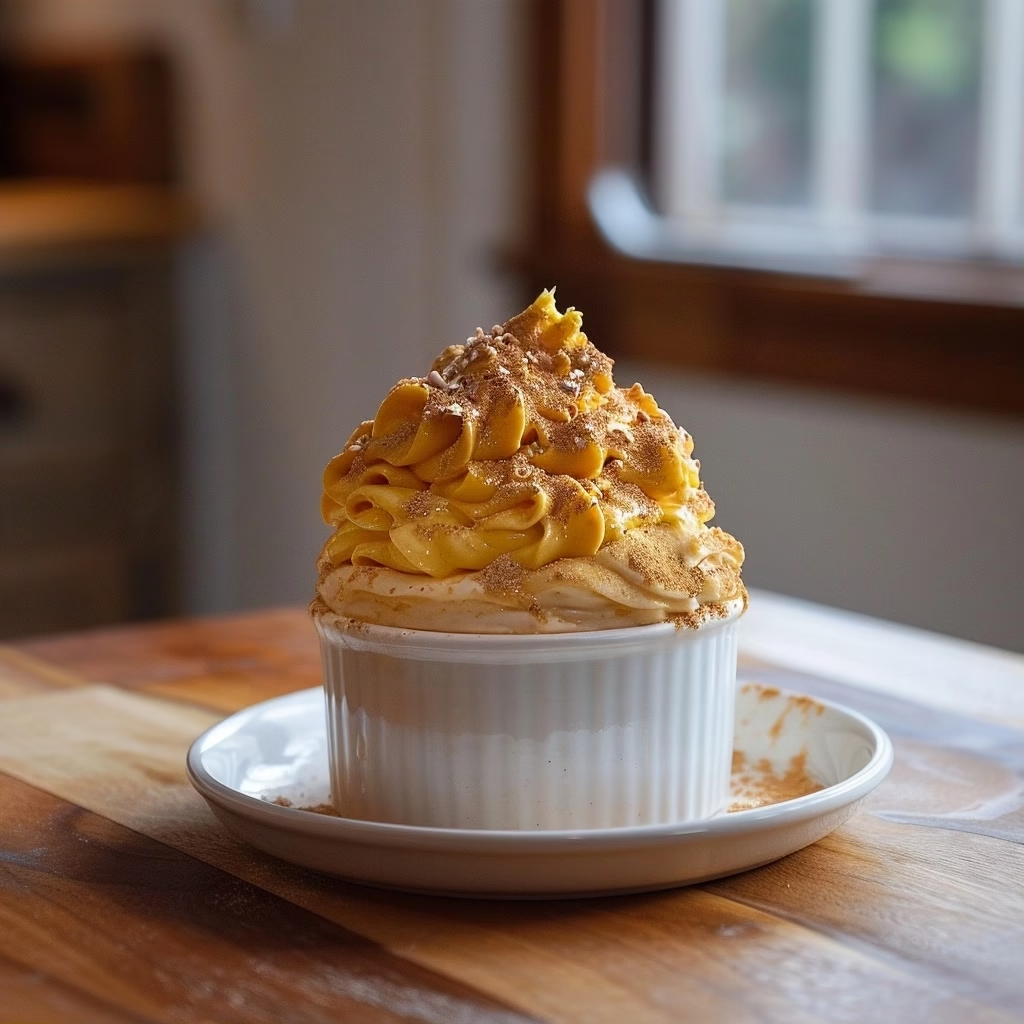
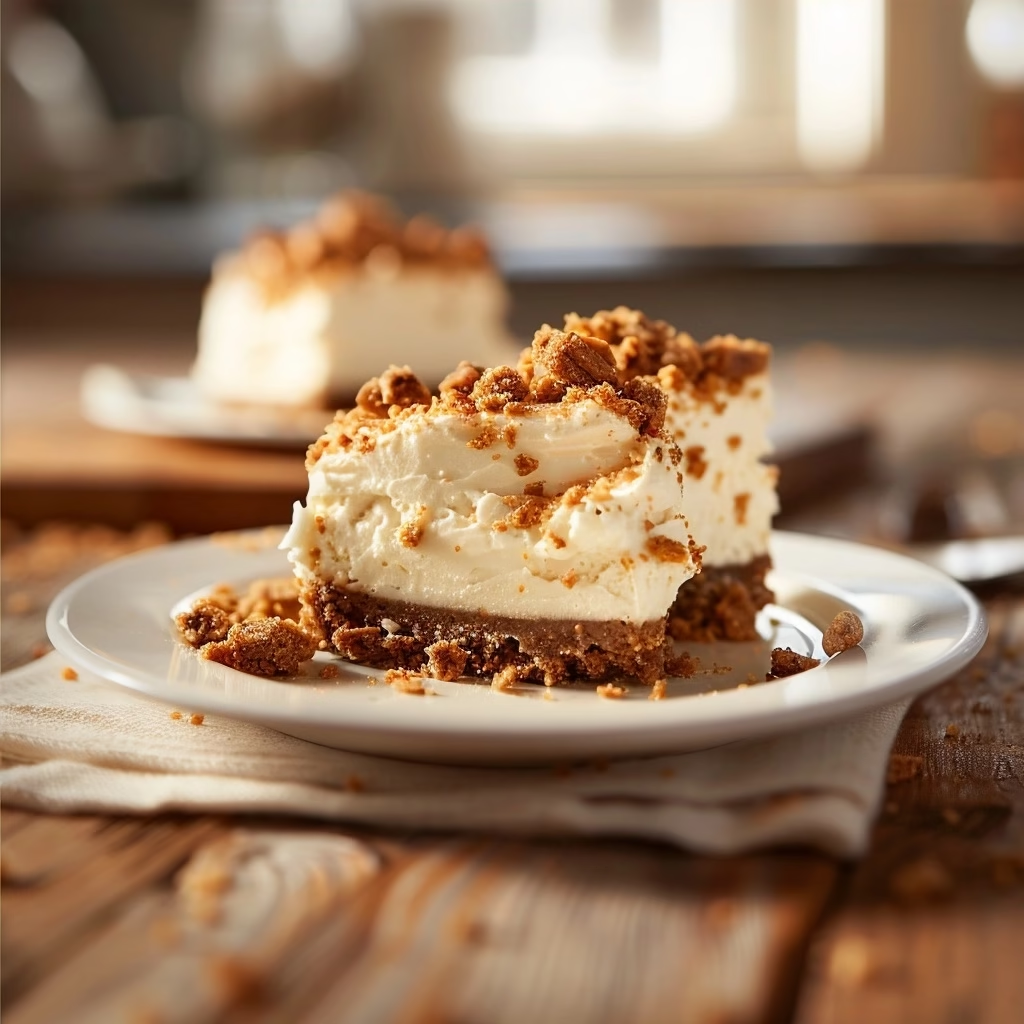
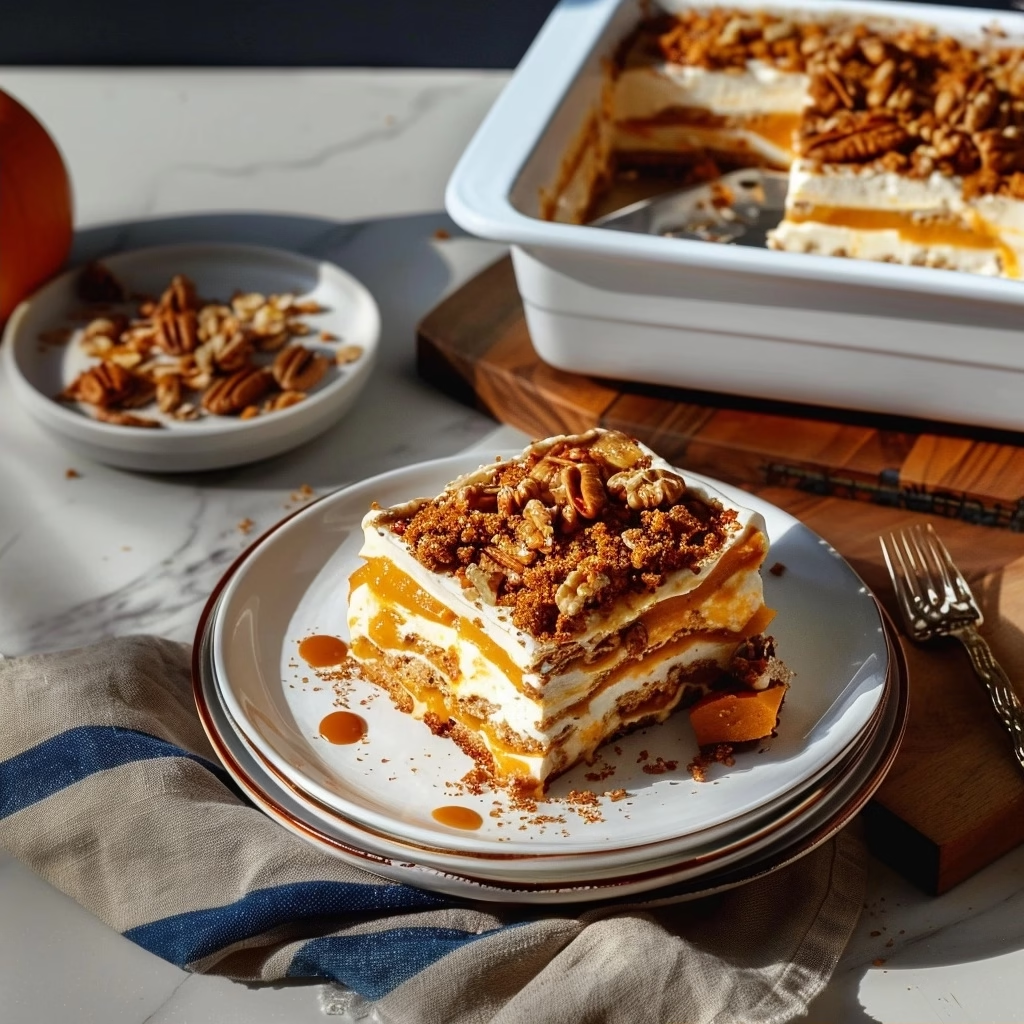
Crafting the perfect cheesecake is an art form, and this recipe delivers unparalleled creaminess and a consistently smooth texture. Achieve a truly decadent dessert that will impress any palate with its rich flavor and flawless appearance.
Why This Recipe Works
This recipe’s success lies in its carefully balanced ingredients and precise methodology. We’ve tested countless variations to arrive at this optimal combination, ensuring a rich, velvety texture without any lumps. The gentle baking process and slow cooling are crucial elements that prevent cracking and guarantee a professional-quality finish.
My personal journey to mastering cheesecake involved many less-than-perfect attempts. I learned that room temperature ingredients are non-negotiable for achieving that smooth, creamy consistency. Over-mixing is another common pitfall; by mixing only until ingredients are combined, we avoid incorporating too much air, which can lead to cracks. This recipe highlights these key principles.
Ingredients
| Ingredient | Quantity | Notes / Alternatives |
|---|---|---|
| Cream Cheese | 1.5 lbs (680g) | Full-fat, block style, softened. Do not use whipped cream cheese. |
| Granulated Sugar | 1 cup (200g) | Standard white sugar is ideal. |
| Unsalted Butter | 1/2 cup (113g) | Melted and slightly cooled. Use a good quality butter. |
| Large Eggs | 3 | Room temperature is essential for emulsification. |
| Vanilla Extract | 1 teaspoon | Pure vanilla extract provides the best flavor. |
| Sour Cream | 1/4 cup (60g) | Full-fat, room temperature. Adds a subtle tang and moisture. |
| Salt | Pinch | Enhances all other flavors. |
| Graham Cracker Crust (Optional) | 1 (9-inch) | Pre-baked or unbaked. See [internal link: basic graham cracker crust recipe]. |
Step-by-Step Instructions
Prepare the Crust (Optional)
- If using a graham cracker crust, prepare it according to your chosen recipe and press it firmly into the bottom of a 9-inch springform pan. You can pre-bake it for 10 minutes at 350°F (175°C) or use it unbaked.
Make the Cheesecake Batter
- Preheat your oven to 325°F (160°C). Ensure your cream cheese is softened to room temperature for easy blending.
- In a large mixing bowl, beat the softened cream cheese with an electric mixer on medium speed until it is completely smooth and creamy, with no lumps.
- Gradually add the granulated sugar to the cream cheese, continuing to beat until the mixture is well combined and smooth. Scrape down the sides of the bowl as needed.
- Pour in the melted and slightly cooled unsalted butter. Mix until it is fully incorporated into the cream cheese mixture.
- Add the three large eggs one at a time, beating well after each addition. Mix just until each egg is incorporated; over-mixing can introduce too much air.
- Gently stir in the vanilla extract, sour cream, and a pinch of salt until just combined. Avoid vigorous mixing at this stage.
- Pour the smooth cheesecake batter evenly over the prepared crust in the springform pan, if using. Alternatively, pour directly into the greased pan if not using a crust.
Baking and Cooling
- Place the springform pan on a baking sheet to catch any potential drips. Bake in the preheated oven for 60 to 75 minutes.
- The cheesecake is ready when the edges are set and appear slightly puffed, but the center still has a slight wobble when the pan is gently shaken.
- Turn off the oven. Crack the oven door open slightly (use a wooden spoon to prop it if necessary). Allow the cheesecake to cool slowly in the oven for 1 full hour. This gradual cooling prevents temperature shock and cracking.
- Carefully remove the cheesecake from the oven. Let it cool completely at room temperature on a wire rack.
- Once completely cooled, cover the cheesecake with plastic wrap and refrigerate for at least 4 hours, or preferably overnight, to allow it to fully set and the flavors to meld.
Chef Tips for Perfect Results
- Room Temperature is Key: Ensure all dairy ingredients, especially cream cheese and eggs, are at room temperature. This allows for smooth, lump-free blending.
- Gentle Mixing: Beat cream cheese until smooth before adding sugar. Once eggs are added, mix only until just combined. Over-mixing incorporates air, leading to cracks.
- Water Bath (Optional but Recommended): For an exceptionally moist and crack-free cheesecake, bake it in a water bath. Wrap your springform pan tightly in heavy-duty aluminum foil, place it in a larger baking pan, and fill the larger pan with hot water halfway up the sides of the springform pan. This provides even, gentle heat. See this guide on making a water bath.
- Slow Cooling is Crucial: Avoid sudden temperature changes. The hour-long cooling period in the oven prevents the delicate cheesecake from cracking.
- Patience with Chilling: Allow ample time for chilling. A cold cheesecake is firmer, has better flavor, and is easier to slice cleanly.
Common Mistakes to Avoid
- Using Cold Ingredients: Lumps in your batter are usually a direct result of adding cold cream cheese or eggs. Always ensure they are at room temperature for a smooth, cohesive batter.
- Over-mixing the Batter: Incorporating too much air by over-beating, especially after adding eggs, causes the cheesecake to puff up excessively during baking and then crack as it cools. Mix on low to medium speed and just until combined.
- Opening the Oven Door Too Often: Fluctuations in oven temperature can destabilize the cheesecake structure, leading to cracks. Resist the urge to peek frequently.
- Cooling Too Quickly: A rapid temperature drop from a hot oven to a cool kitchen shocks the cheesecake, causing it to contract unevenly and crack. Utilize the slow cooling method described in the tips section.
- Under-baking or Over-baking: An under-baked cheesecake will be too soft to set properly, while an over-baked one can become dry and develop cracks. Look for the slight wobble in the center as the sign of perfect doneness.
Variations and Substitutions
| Ingredient | Substitution | Impact on Flavor |
|---|---|---|
| Sour Cream | Full-fat Greek Yogurt | Slightly tangier, very similar richness. |
| Granulated Sugar | Brown Sugar (light or dark) | Deeper caramel notes, slightly darker color. Adjust amount slightly if using. |
| Vanilla Extract | Almond Extract, Lemon Zest | Different aromatic profiles; almond is nutty, lemon is bright citrus. Use sparingly. |
| Graham Cracker Crust | Oreo crust, ginger snap crust, shortbread crust | Completely changes the base flavor profile. |
Serving Suggestions and Pairings
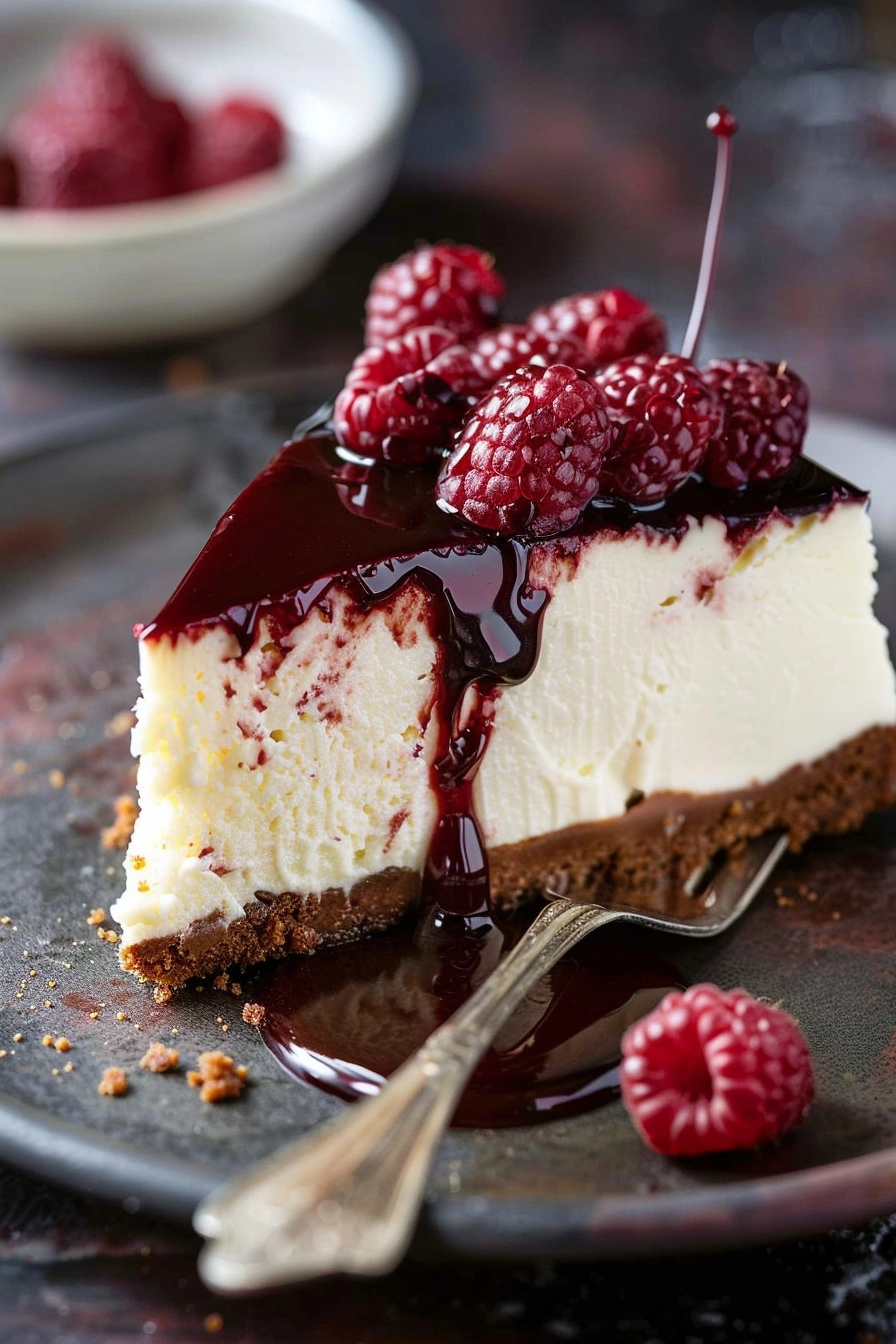
Serve your perfect cheesecake chilled. Classic accompaniments include fresh berries like strawberries or raspberries, a drizzle of berry coulis, or a dollop of whipped cream. For a special occasion, consider a chocolate ganache topping or a caramel sauce. Lemon zest added to the batter or as a garnish provides a refreshing contrast. This cheesecake is perfect for birthdays, holidays, or any celebratory meal. A simple cup of coffee or unsweetened iced tea complements its richness beautifully.
Storage and Reheating
| Method | Duration | Instructions |
|---|---|---|
| Refrigeration (Whole/Slices) | 3-5 days | Cover tightly with plastic wrap or store in an airtight container in the refrigerator. |
| Freezing (Unfrosted Slices) | 1-2 months | Wrap individual slices tightly in plastic wrap, then in aluminum foil, and store in a freezer-safe container or bag. Thaw overnight in the refrigerator before serving. |
| Reheating (Not Recommended) | N/A | Cheesecake is best served cold or at room temperature. Reheating will alter its texture significantly. |
Nutritional Information
| Nutrient | Amount per Serving (Approximate values) |
|---|---|
| Calories | 350 kcal |
| Protein | 5g |
| Fat | 25g |
| Carbohydrates | 28g |
| Fiber | 1g |
| Sugar | 22g |
| Sodium | 150mg |
Frequently Asked Questions
Can I substitute the sour cream?
Yes, full-fat Greek yogurt is an excellent substitute for sour cream. It will provide a similar tang and creamy texture to the cheesecake, resulting in a delicious dessert.
How do I know if my cheesecake is done?
The cheesecake is done when the edges are set and look slightly puffed, and the center still has a slight jiggle. A thermometer should read around 150°F (65°C).
My cheesecake cracked, what went wrong?
Cracking is usually caused by over-mixing, rapid temperature changes, or over-baking. Ensure your ingredients are at room temperature and mix gently, then cool the cheesecake slowly in the oven.
Can I make this perfect cheesecake recipe ahead of time?
Absolutely. Cheesecake benefits from chilling. It can be made a day or two in advance and stored in the refrigerator until ready to serve, allowing flavors to develop further.
What are the best toppings for cheesecake?
Fresh berries, fruit compotes, chocolate ganache, or a simple caramel sauce are ideal toppings. Whipped cream also pairs wonderfully with the richness of the cheesecake.
Mastering the perfect cheesecake recipe opens a world of dessert possibilities. Follow these detailed instructions and expert tips to consistently achieve a smooth, rich, and utterly delightful cheesecake. Embrace the process, and savor the classic, creamy flavor of your homemade masterpiece.