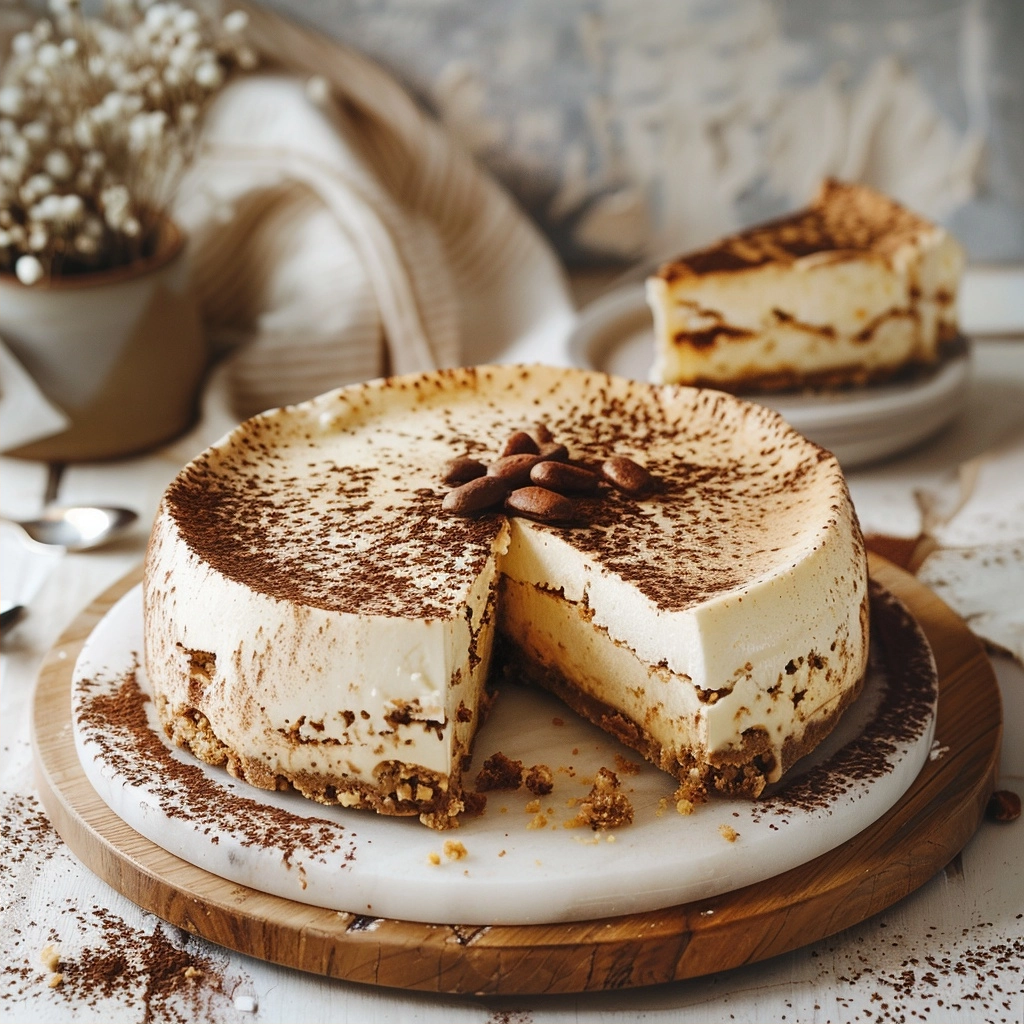
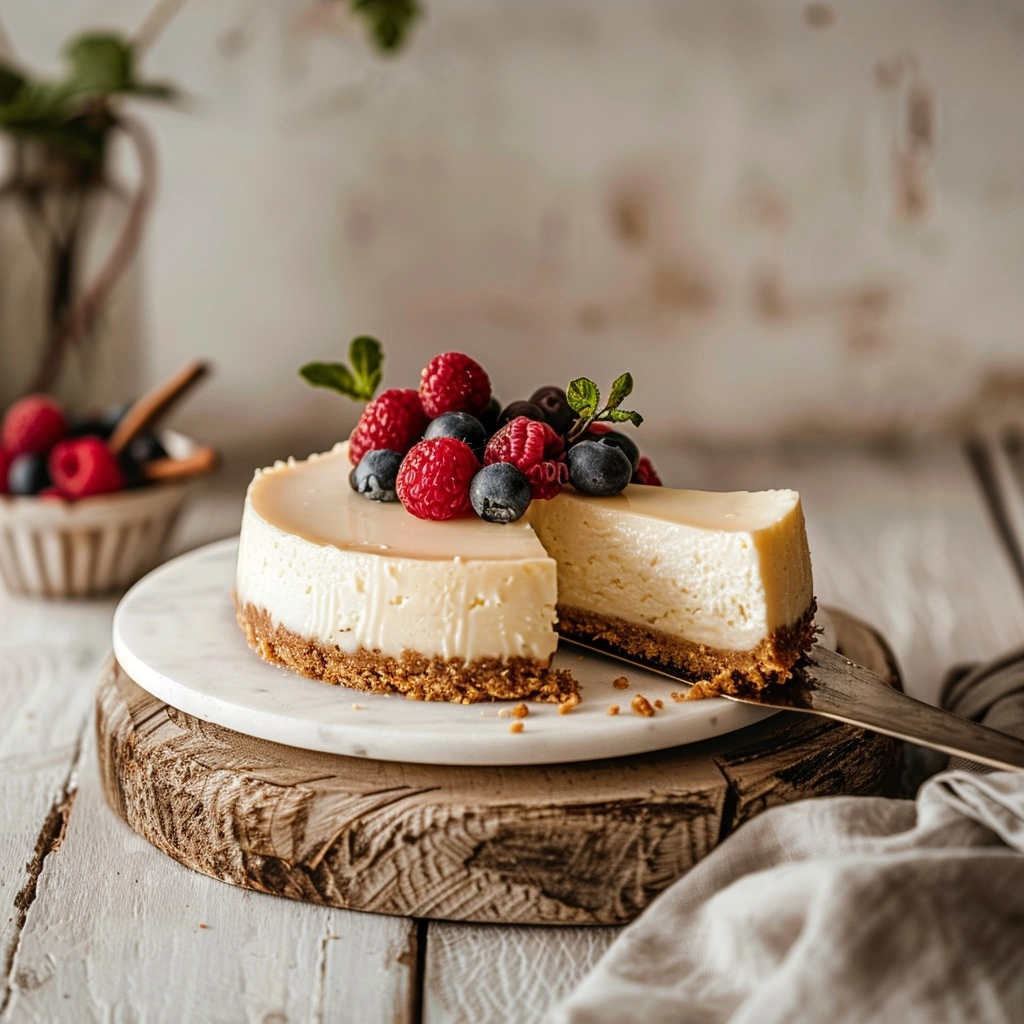
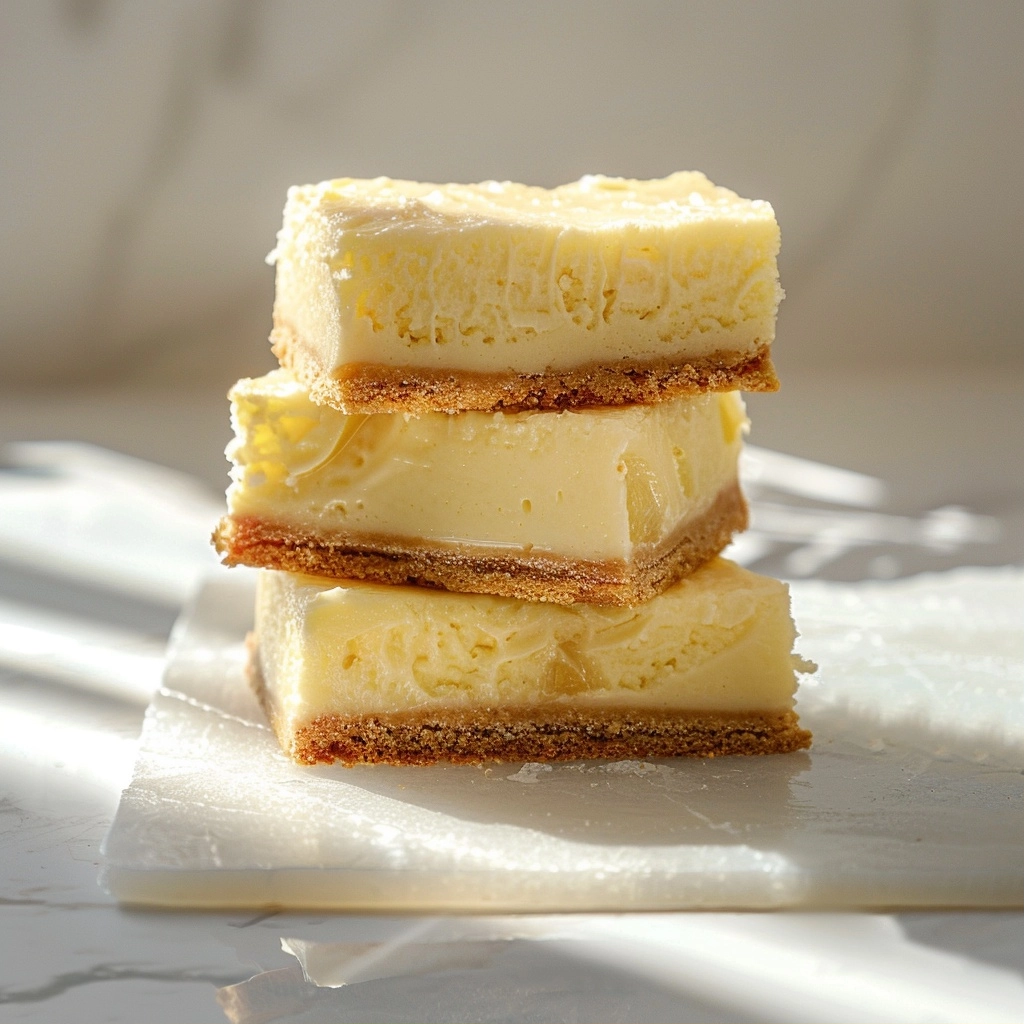
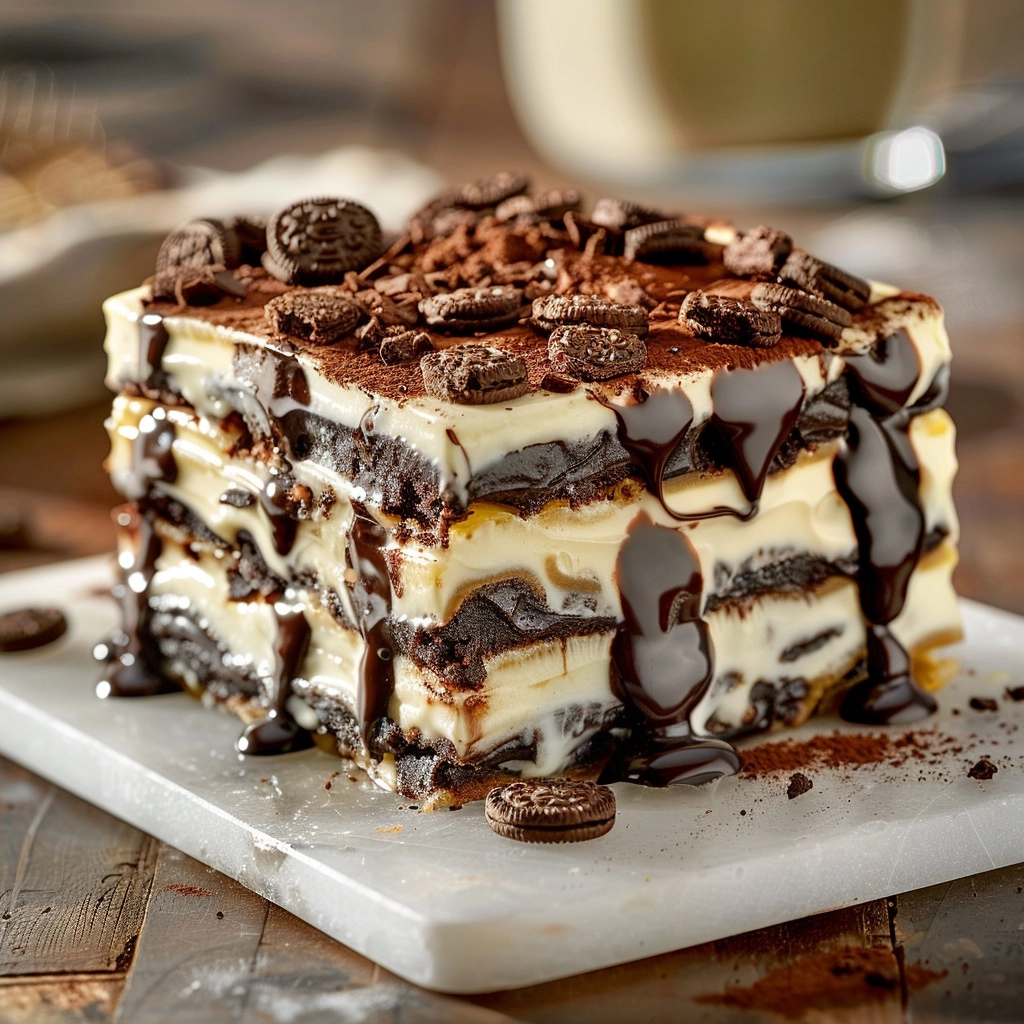
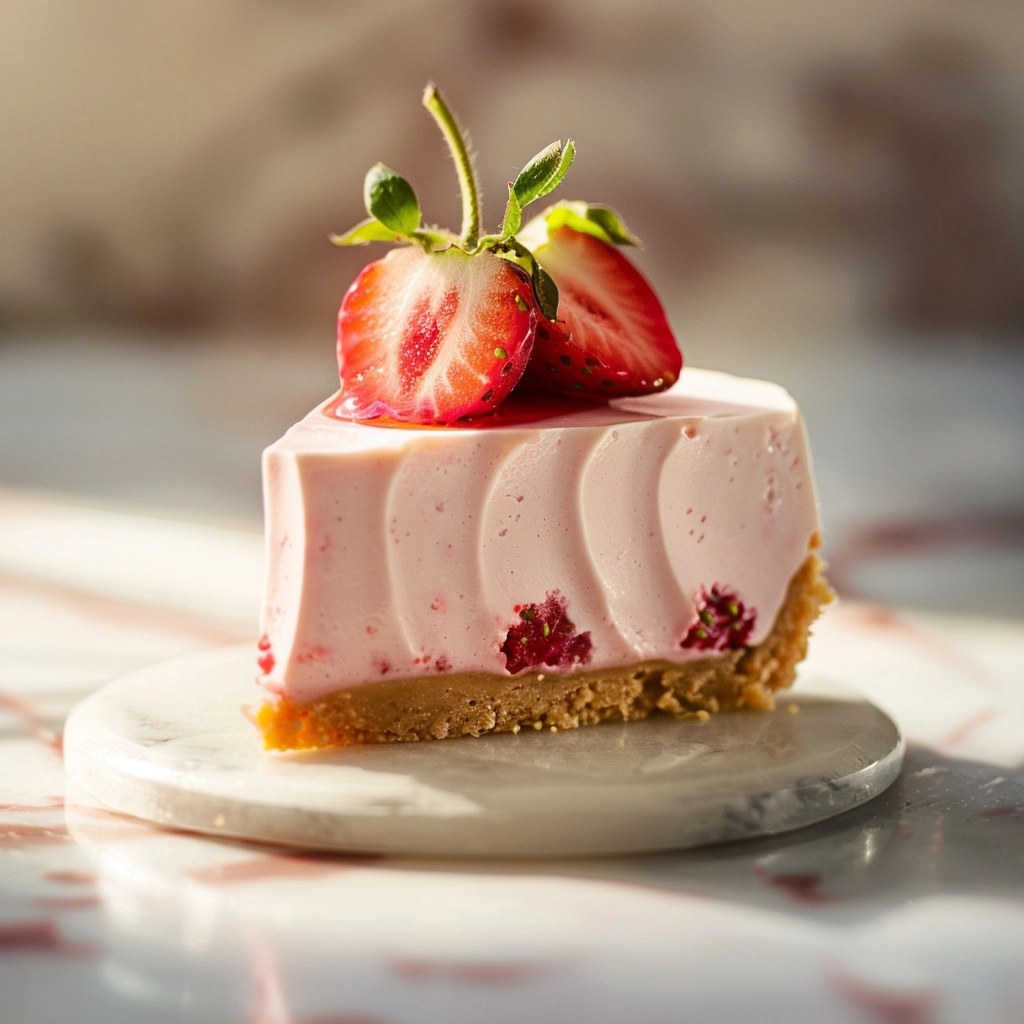
Laurens’ latest cheesecake recipe delivers an unforgettable creamy texture and rich flavor. This classic dessert is perfect for any occasion, offering a flawlessly smooth finish. Mastering this recipe ensures a delightful finale to any meal with its signature tangy sweetness. Laurens’ method simplifies achieving that perfect cheesecake consistency.
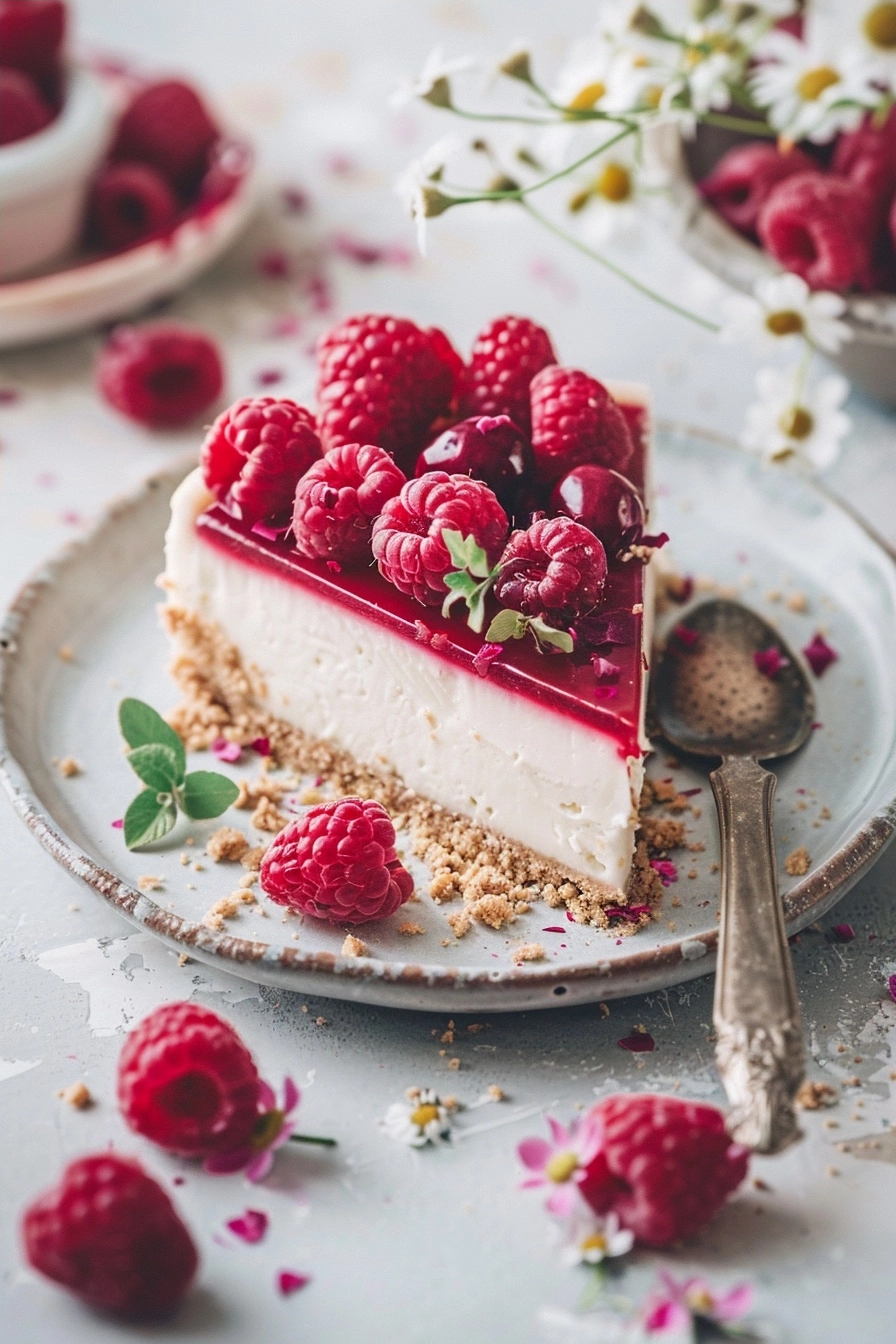
Recipe Overview
| Prep Time | Cook Time | Total Time | Servings | Difficulty | Cuisine |
|---|---|---|---|---|---|
| 20 minutes | 60 minutes | 4 hours 20 minutes (plus cooling and chilling) | 8-10 | Easy | American |
Why This Recipe Works
This recipe’s brilliance lies in its simplicity and focus on fundamental techniques that yield superior results. The use of softened cream cheese ensures a lump-free, velvety batter. Adding sugar and flour gradually prevents overmixing, which is crucial for a dense yet tender crumb. Laurens’ signature touch involves precise temperature control and the water bath method. These elements combine to create an evenly baked cheesecake with no cracks.
The gentle baking process in a water bath protects the delicate custard from sudden temperature changes that can cause it to curdle or crack. Cooling the cheesecake gradually within the oven, then at room temperature, and finally refrigerating, allows the flavors to meld and the texture to set perfectly. This patient approach is what elevates this recipe to the best cheesecake status, ensuring a professional-quality dessert every time.
Ingredients
| Ingredient | Quantity | Notes / Alternatives |
|---|---|---|
| Cream Cheese | 1.5 lbs (3 standard blocks) | Must be at room temperature. Full-fat is recommended for best texture. |
| Granulated Sugar | 1 cup | Provides sweetness and structure. Can use fine baker’s sugar. |
| All-Purpose Flour | 1/4 cup | Helps prevent cracking and adds a slight density. Coconut flour can be substituted, use 3 tablespoons. |
| Vanilla Extract | 1 teaspoon | Pure vanilla extract for optimal flavor. Use vanilla bean paste for visible flecks. |
| Lemon Zest | 1/2 teaspoon | Adds a bright, fresh counterpoint to the richness. Lime zest is a suitable alternative. |
| Large Eggs | 2 | Room temperature eggs incorporate more easily. Add one at a time. |
| Sour Cream | 1/2 cup | Contributes to the creamy texture and slight tang. Full-fat Greek yogurt can be used. |
| Heavy Cream | 1/4 cup | Enriches the batter for ultimate creaminess. Half-and-half can be substituted. |
| Graham Cracker Crust | One 9-inch pie plate | Pre-baked or homemade. See our guide to homemade graham cracker crusts. |
Step-by-Step Instructions
Preparation
- Preheat your oven to 325°F (160°C).
- Prepare a 9-inch springform pan by lightly greasing it or lining it with parchment paper.
- Assemble the graham cracker crust if making from scratch or ensure your pre-baked crust is ready.
- Wrap the exterior of the springform pan tightly with several layers of heavy-duty aluminum foil to create a waterproof barrier.
Mixing the Batter
- In a large mixing bowl, beat the softened cream cheese on medium speed until it is completely smooth and creamy.
- Gradually add the granulated sugar and all-purpose flour, mixing until just combined and no lumps remain.
- Stir in the vanilla extract and lemon zest until fully incorporated into the cream cheese mixture.
- Add the large eggs one at a time, beating on low speed after each addition until just blended. Do not overmix.
- Gently fold in the sour cream and heavy cream using a spatula until the batter is smooth and homogenous.
Baking and Cooling
- Pour the cheesecake batter evenly into the prepared graham cracker crust within the springform pan.
- Place the foil-wrapped springform pan into a larger roasting pan.
- Carefully pour hot water into the roasting pan, ensuring it comes halfway up the sides of the springform pan. This creates a water bath.
- Transfer the roasting pan with the cheesecake and water bath to the preheated oven.
- Bake for 50-60 minutes. The edges should appear set, but the center should still have a slight wobble when gently shaken.
- Turn off the oven’s heat. Leave the cheesecake inside the oven with the door propped open slightly for one hour.
- Carefully remove the springform pan from the water bath and place it on a wire rack to cool completely to room temperature.
- Once cooled, cover the cheesecake loosely with plastic wrap and refrigerate for at least 4 hours, or preferably overnight, to allow it to fully set and flavors to develop.
Chef Tips for Perfect Results
- Ensure all dairy ingredients, especially cream cheese and eggs, are at room temperature for the smoothest batter.
- Avoid overmixing the batter once the eggs are added; this can incorporate too much air, leading to cracks.
- Use a water bath (bain-marie) for even, gentle baking. This prevents the cheesecake from drying out or cracking.
- Cool the cheesecake gradually. Rapid temperature changes are a primary cause of cracking.
- Chill the cheesecake thoroughly before slicing. This allows the structure to set completely for clean cuts.
Common Mistakes to Avoid
- Overmixing the batter: This incorporates too much air, causing the cheesecake to puff up excessively during baking and then deflate and crack as it cools. Mix only until ingredients are just combined, especially after adding eggs.
- Using cold ingredients: Cold cream cheese will result in a lumpy batter, and cold eggs won’t emulsify properly. Always use ingredients at room temperature for a smooth, consistent texture.
- Skipping the water bath: A water bath provides moist, even heat, crucial for a creamy texture and preventing cracks. Without it, the cheesecake may bake too quickly and unevenly.
- Opening the oven door too frequently: Fluctuations in oven temperature can shock the cheesecake, leading to cracks. Resist the urge to check on it constantly.
- Not chilling long enough: A cheesecake needs ample time to set. Rushing this process results in a soft, unset texture. Follow the minimum chilling time recommendation.
Variations and Substitutions
| Ingredient | Substitution | Impact on Flavor |
|---|---|---|
| Graham Cracker Crust | Oreo cookie crust, digestive biscuit crust, gingersnap crust | Adds a chocolatey, spicy, or buttery undertone. |
| Lemon Zest | Orange zest, lime zest, almond extract (1/2 tsp) | Changes the citrus profile or adds a nutty aroma. |
| Sour Cream | Full-fat Greek yogurt, crème fraîche | Enhances tanginess and creaminess; yogurt might be slightly tangier. |
| Vanilla Extract | Maple syrup (1 tbsp), vanilla bean paste (1 tsp) | Adds caramel notes or visible vanilla bean specks and aroma. |
Serving Suggestions and Pairings
Serve Laurens’ Best Cheesecake chilled, sliced cleanly with a sharp knife dipped in hot water. Classic toppings include fresh berries like strawberries or raspberries, a drizzle of berry coulis, or a dollop of whipped cream. For a more decadent experience, consider a chocolate ganache or a caramel sauce. This cheesecake pairs beautifully with a chilled glass of sparkling apple cider or a subtle herbal tea. It is an ideal dessert for birthdays, holiday gatherings, or a special romantic dinner.
Storage and Reheating
| Method | Duration | Instructions |
|---|---|---|
| Refrigeration | 3-4 days | Store tightly covered in the refrigerator. Do not leave at room temperature for more than 2 hours. |
| Freezing (Unfrosted/Uncut) | 1-2 months | Wrap the entire cheesecake tightly in plastic wrap, then in aluminum foil. Thaw overnight in the refrigerator before serving. |
| Freezing (Slices) | 1 month | Wrap individual slices tightly in plastic wrap and then foil. Thaw at room temperature for about 30 minutes. |
Nutritional Information
| Nutrient | Amount per Serving |
|---|---|
| Calories | Approx. 400-500 kcal |
| Protein | Approx. 8-10g |
| Fat | Approx. 30-40g |
| Carbohydrates | Approx. 35-45g |
| Fiber | Approx. 1-2g |
| Sugar | Approx. 25-35g |
| Sodium | Approx. 200-300mg |
Approximate values. Actual nutrition may vary based on ingredients and preparation methods.
Frequently Asked Questions
Can I substitute the cream cheese?
You can substitute full-fat cream cheese for a similar texture. Using low-fat cream cheese may result in a cheesecake that does not set as firmly. Always ensure the substitute cream cheese is well-softened.
How do I know if my cheesecake is done baking?
The cheesecake is done when the edges are set but the center still has a slight wobble, like Jell-O. It should not be liquid. The internal temperature should be around 150°F (65°C).
My cheesecake cracked, what should I do?
Cracks are primarily cosmetic and do not affect flavor or texture significantly. Overmixing, overbaking, or rapid cooling are common causes. You can often hide cracks with toppings like fruit or whipped cream.
Can I make this cheesecake ahead of time?
Yes, this cheesecake is ideal for making ahead. It requires at least 4 hours of chilling time to set properly and develops better flavor overnight. Store it covered in the refrigerator.
How do I get clean slices of cheesecake?
Use a thin, sharp knife. Dip the knife in hot water and wipe it dry between each cut. This prevents the cheesecake from sticking and ensures clean, smooth slices for presentation.
Laurens’ latest cheesecake recipe is a testament to timeless dessert perfection. This guide provides you with the knowledge to recreate that exquisite creamy texture and balanced flavor in your own kitchen. The simple yet effective techniques ensure a flawless result every time. Indulge in the smooth, rich, and comforting taste that makes this the best cheesecake recipe. Enjoy the signature tang and creamy finish!